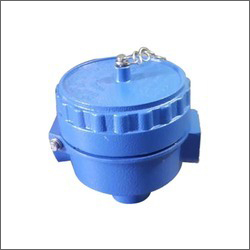
01
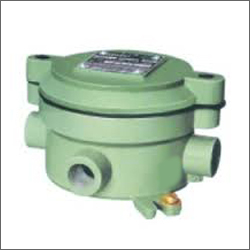
Junction housings
Round and multi-entry cast bodies for industrial electrical assemblies.

Industrial enclosure components
Custom gravity die cast bodies, covers and housings for flame-proof, weather-proof and hazardous-area equipment—manufactured to the equipment designer’s approved drawings and specifications.
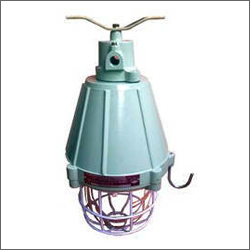
Application-led casting
Flame-proof and weather-proof equipment often requires cast housings with controlled wall sections, secure cover interfaces, cable-entry provisions and repeatable machined features. Aluminium provides a useful combination of low weight, corrosion resistance and castability for these applications.
We manufacture the casting component to the customer’s approved technical definition. Alloy, dimensions, machining, interfaces and inspection requirements must be stated in the enquiry and drawing.
Component range
Final geometry, alloy, machining and testing are determined by the customer’s drawing and application requirements.
Round and multi-entry cast bodies for industrial electrical assemblies.
Cast light-fitting bodies with mounting, guard and cover interfaces.
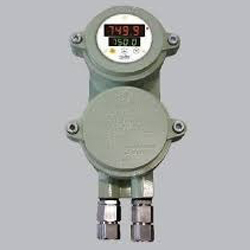
Housings for displays, indicators and industrial monitoring equipment.
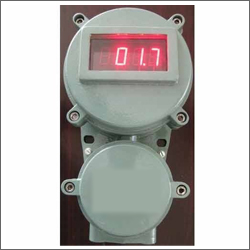
Multi-compartment bodies for controls, indicators and operating devices.
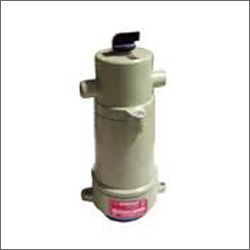
Cylindrical cast bodies with cover, mounting and cable-entry features.
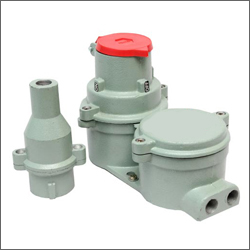
Custom station bodies, covers and related enclosure components.
Define the critical features
Clear technical ownership prevents assumptions during tooling and machining. Mark safety-critical and inspection-critical features directly on controlled drawings.
Explore our manufacturing expertise →Alloy and material specificationState the required grade and any material verification documents.
Wall sections and geometryIdentify controlled thicknesses, ribs, bosses and casting tolerances.
Interfaces and flame pathsDefine finished dimensions, fits, finishes and inspection criteria.
Entries and fastening zonesSpecify threads, glands, holes, inserts and fastener requirements.
Machining and testingState the machining scope and tests required for the supplied component.
Project workflow
The technical and certification responsibility of every party should be agreed before tooling begins.
Confirm component scope, alloy, quantities, interfaces and critical characteristics.
Develop the die and casting route around the approved component definition.
Inspect initial castings and machined features against agreed requirements.
Move approved components into planned batch manufacture and dispatch.
Component gallery
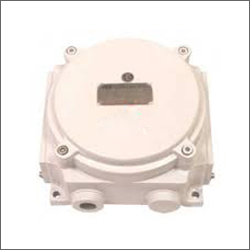
Images are representative and do not establish certification, specification or current tooling ownership.
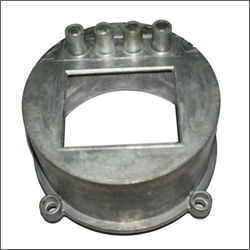
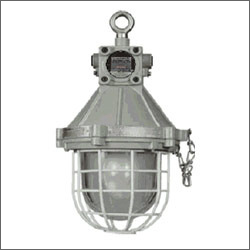
For a useful technical review
Complete inputs help us assess casting feasibility and clearly define what is—and is not—included in the supply scope.
Frequently asked questions
Answers for equipment designers, procurement teams and vendor-development engineers.
We manufacture custom cast housings, junction bodies, push-button and control-station bodies, well-glass housings, thermocouple-head bodies and related components to approved drawings.
No. Certification applies to the finished equipment and depends on its complete design, machining, flame paths, assembly, tests and approval by the responsible OEM and certification authority.
Send the controlled drawing or sample, alloy, annual and batch quantities, machining details, critical interfaces, inspection requirements and delivery location.
Machining can be considered for specified faces, bores, threaded entries, fastener locations and interface features, subject to drawing review.
Custom enclosure casting enquiry
We will review the alloy, geometry, quantities, machining scope and inspection requirements before proposing the next step.